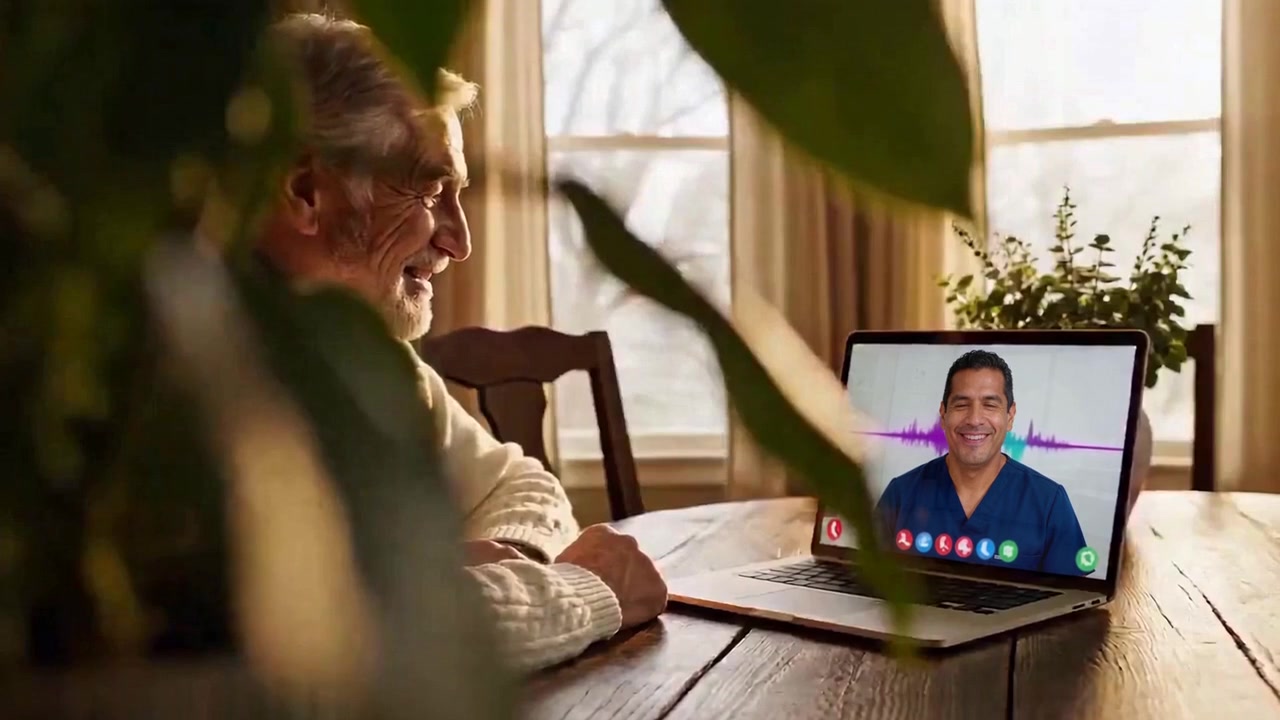
Self-pay, no insurance billing. Telehealth only: you must be physically in Florida, ages 5 and up. Learn more about Gabriela Harrison, MPAS, PA-C.
1Cold, flu, sinus and throat symptoms
Telehealth urgent care can begin with a discussion of congestion, cough, sore throat, sinus symptoms, or concerns about COVID-19. Tell the clinician when symptoms started, how they have changed, and whether you have measured a temperature. Video allows a history review and a guided visual assessment; it does not replace every examination or test.
Symptoms alone do not establish a diagnosis. The clinician may recommend testing or an examination outside this telehealth practice before deciding on treatment.
2Rashes, minor skin concerns and insect bites
A video visit can be used to discuss a rash, skin irritation, a minor skin infection, or an insect bite or sting. Be ready to show the affected area in good lighting and describe when it appeared, changes you have noticed, and any products or medicines you have used. Keep the camera steady so the clinician can assess what is visible.
A video image cannot show every feature of a skin condition. If a hands-on examination or procedure is needed, the clinician can discuss appropriate next steps outside ALH.
3Urinary symptoms and sexual-health concerns
ALH lists urinary tract infections and STD/STI evaluation and treatment among its urgent-care services. An online conversation can review symptoms, relevant history, allergies, and previous testing. Do not assume a particular infection or medicine is appropriate before the evaluation. The clinician decides whether the concern can be addressed remotely and whether testing is needed.
Testing, when recommended, is separate from the video assessment. A video appointment does not guarantee an immediate diagnosis or prescription.
4Gastrointestinal symptoms
For a non-emergency gastrointestinal concern, prepare a timeline of symptoms and any associated changes you have noticed. Your clinician can discuss your history, current medicines, and what can be assessed by video. Explain what you have already tried and any recent changes in your routine so the conversation reflects your individual situation.
A remote visit cannot provide a hands-on abdominal examination. Some gastrointestinal concerns require evaluation elsewhere rather than treatment through telehealth.
5Headaches and migraines
Headaches and migraines are included in ALH’s published urgent-care service list. During a video visit, describe the pattern, timing, symptoms that occur with the headache, and any history of similar episodes. Bring a current medication list, including nonprescription products. The clinician determines whether remote assessment is appropriate rather than assuming every headache is suitable for online care.
Sudden neurological symptoms or any potentially life-threatening symptoms are not appropriate for this service. Follow the emergency instructions on this page.
6Ear pain and eye irritation
ALH lists ear pain, ear infections, pink eye, and eye irritation among the concerns patients may discuss. Video can help the clinician take a history and review visible findings, but it cannot reproduce the instruments or examination available during a hands-on assessment. Describe any changes in symptoms and previous treatment without assuming that antibiotics are needed.
The clinician may recommend an examination outside ALH when the eye or ear cannot be adequately assessed remotely. ALH provides telehealth only, not in-person care.